Through culture, creativity, and language, Around the World Club (ATWC) creates a vibrant learning space where children can discover new languages by engaging with cultural traditions from across the globe.
Originally piloted by N.E.S.T. in four primary schools in 2023, the club as well as the web app was co-developed with volunteers and communities of refugee, asylum-seeking, and migrant backgrounds, ensuring activities are inclusive, accessible, and community-driven. ATWC encourages young learners to see themselves as part of a global family—by learning from others and sharing their own heritage, no matter where they’re from.
What’s in the Around the World Club?
Explore a growing collection of free, multilingual, and multicultural activities designed by contributors from around the world. Each activity is hosted on the ENACT web app and can be easily delivered by teachers, parents, youth workers, or volunteers. Activities include:
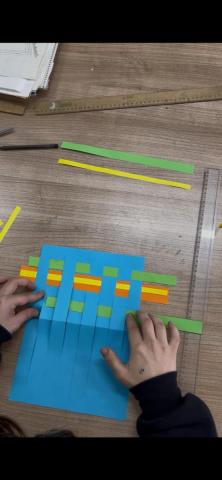
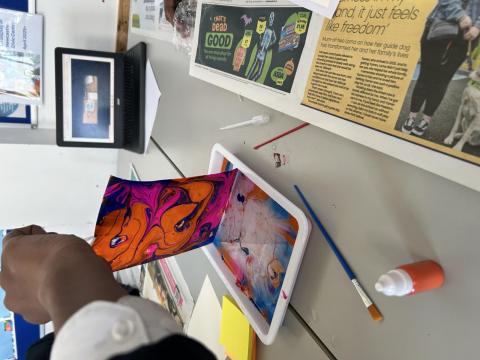
- Traditional crafts and paper-making (e.g. German lanterns)
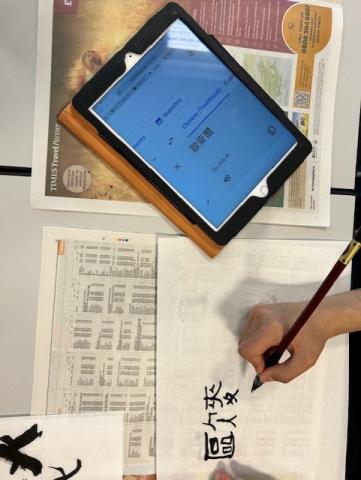
- Calligraphy from China, Japan, and beyond
- Folk stories and performance traditions
- Authentic recipes and cooking tutorials
- Dances and games for movement and fun
- Exploration of traditional clothing and textiles
Children can also co-create and upload their own cultural contributions, supported by adults—making the club not just a space for learning, but also for active global partaking.
Setting up
Before the club
- Explore activities by clicking LEARN on the menu bar and searching by country, culture, language, or key word.
- Familiarise yourself with the chosen story/context to prepare for all the curious questions!
- Follow the step-by-step instructions of the activity (we advise crafts as most engaging and school-friendly) to make an example for the children.
- Set up materials and enacteuropa.com on iPads or projector board.
Getting started
Begin by
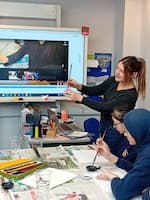
Engage the children by making them guess what culture/country the activity will be based on by looking at the example. Play the first video on the activity page for children to learn about the culture of the activity. Discuss what they have found interesting and can remember from watching the video. Use the “key vocabulary” activity to teach the children some words related to the culture; get them to repeat these. Play the second video giving instructions on the craft activity, then let them do it!
Rounding up
Ending activities
Once all children finish the activity, play the matching game to consolidate their learning – in large groups, they can test each other! Have the children talk about the object they have made, which they will be taking home. Ask the children if they have similar celebrations at home? Talk about why these celebrations are important and what they mean to them and their families. Talk about any differences/similarities between the new language and theirs. Ask which new language words they learnt.
Into the world
Going beyond
Children can also do a project to tell others about their own language and culture! The Author tool (CREATE) has been designed to create a space for all communities everywhere to showcase their own cultural heritage to the world in their own language. Access the Author tool here and create an account. Choose your own favourite activity and record yourself showing and explaining how to do it in your language.
FAQs
Who is ATWC for?
ATWC is ideal for all school-aged children in schools, homes, libraries, museums, community centres, or anywhere multicultural learning can thrive. Originally created with refugee and migrant children in mind, it effectively helps in developing mutual integration, cultural empathy, and cross-linguistic learning for all.
Why set up an ATWC for children?
With rising global displacement, fostering inclusion, curiosity, and intercultural understanding is more important than ever. ATWC gives children the opportunity to:
- Discover new languages and cultural traditions
- Develop motor, linguistic, and digital skills
- Challenge stereotypes through fun, shared experiences
- Build confidence and global citizenship awareness
What will I need to set up the club?
Everything you need is freely available on this page. Start by downloading the ATWC setup guide, which includes step-by-step instructions and links to all available activities. While most activities use low-cost, easily sourced materials (especially from classrooms), some may require a small budget–most won’t exceed £25 for a group activity.
What’s next?
If you would like assistance with setting up ‘Around the World Clubs’, please contact the ENACT project team at enacteuropa@newcastle.ac.uk
Do you want to collect feedback from children?
Please use our feedback form to evaluate social, cultural, and linguistic impacts: https://enacteuropa.com/sites/default/files/ENACT_impact%20evaluation%20...
Please share the outcome with us by emailing a copy of the forms at enacteuropa@newcastle.ac.uk
Ready to open the doors to the world? Then please, browse on…
Case studies and reports of Around the World Clubs run up to date:
STARTER RESOURCES
Thinking of setting up an Around the World Club at your school? Download our UK schools and worldwide offers.
For guidance, session plans for the full academic year are now LIVE and can be downloaded alongside session outlines for club leads.
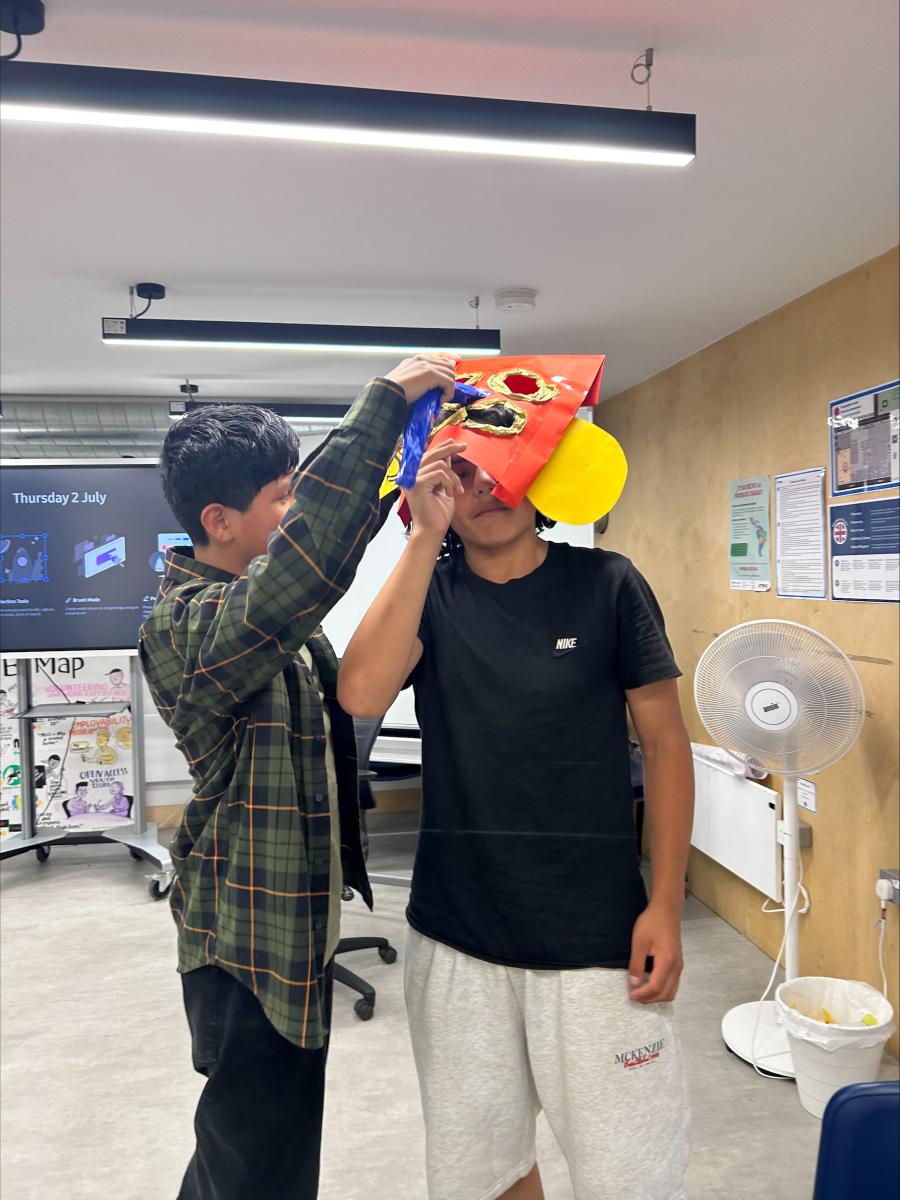

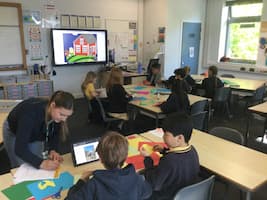
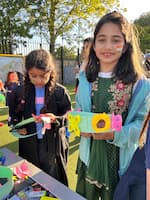
Welbeck Academy on reasons for choosing the ATWC through NEST:
"The Around the World Club seemed like a great thing, just get them talking, mixing, breaking down the social barriers."
Charley (Kenton Bar Primary School):
"The beauty of it is that it's so simple to use and it's so effective with the children. And I think language is one of the best ways to appeal to them."
Tilly Atkinson, N.E.S.T School’s Project Lead:
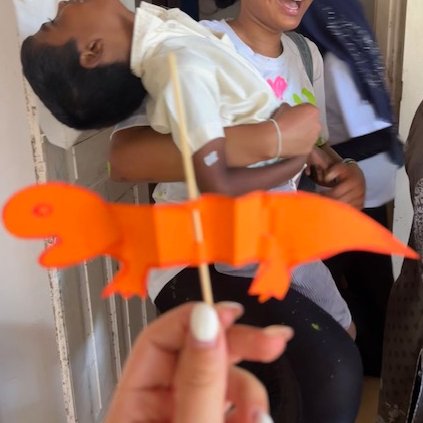
"We had one boy in particular, who had only arrived a couple of months prior, and he spoke not a word of English ... the other kids were being really helpful as well and encouraging him and demonstrating the instructions like physically rather than with words."
West Denton Primary on running the ATWC independently and significance for their students:
“Their worlds are still a small place, it’s just giving our children that little experiences and different cultures, different languages ... They'll come up to me in the yard and just repeat phrases, repeat words, just to impress me to say yes, I remembered. And just because it's fun.”
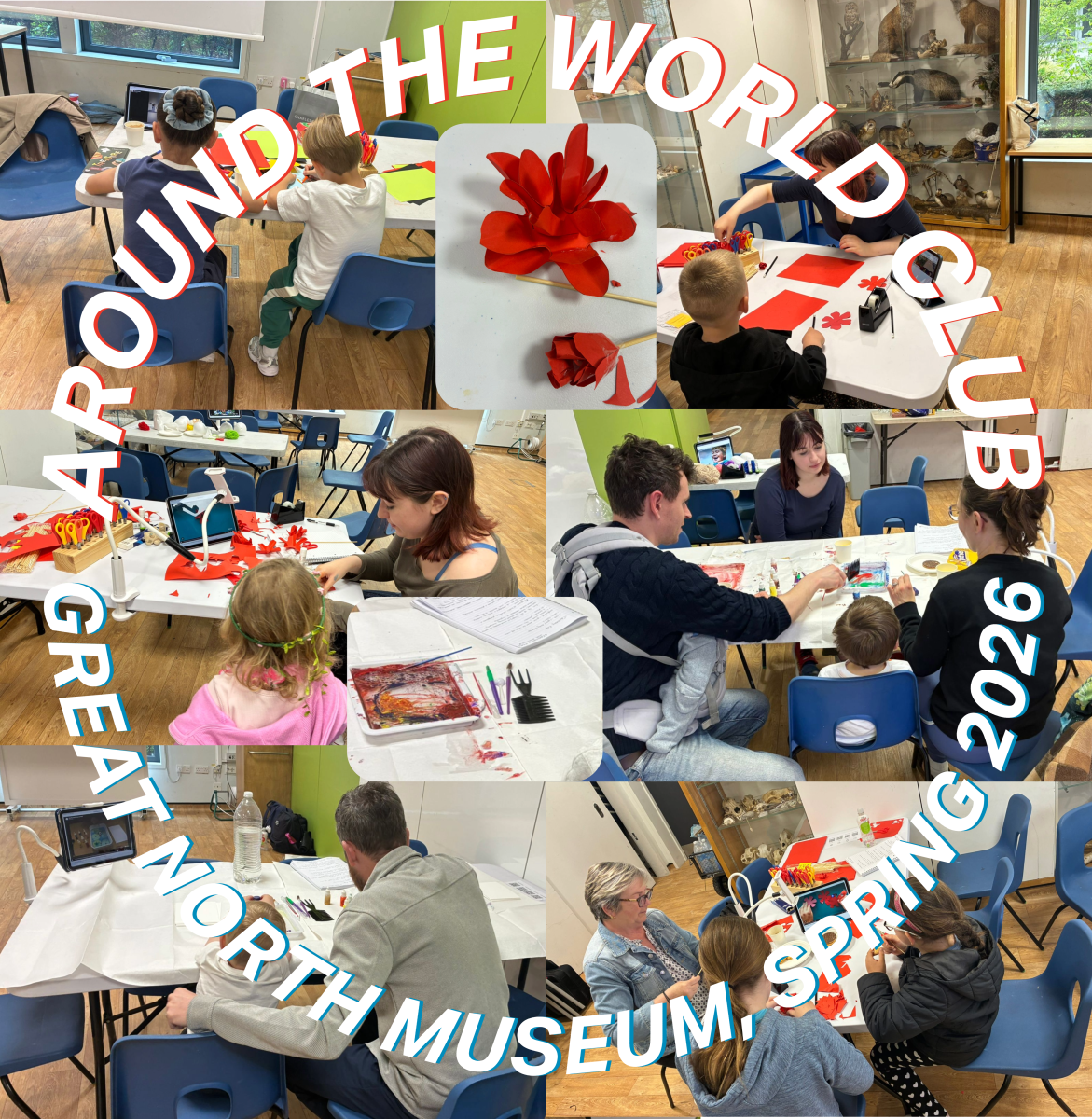
Jo McSwaine, Learning Officer at the Great North Museum:
“That’s a big draw for me when I'm programming [Around the World Clubs] is to know that this, whichever session we ask for, it's going to be delivered by somebody who has lived experience of that culture and that language, and that is very enriching for the young people who access it.”